A nearby next step
A café, hotel, mobility service, shop, or second attraction can be relevant when it helps a visitor continue the day nearby.
See attraction contextsContextual audio advertising
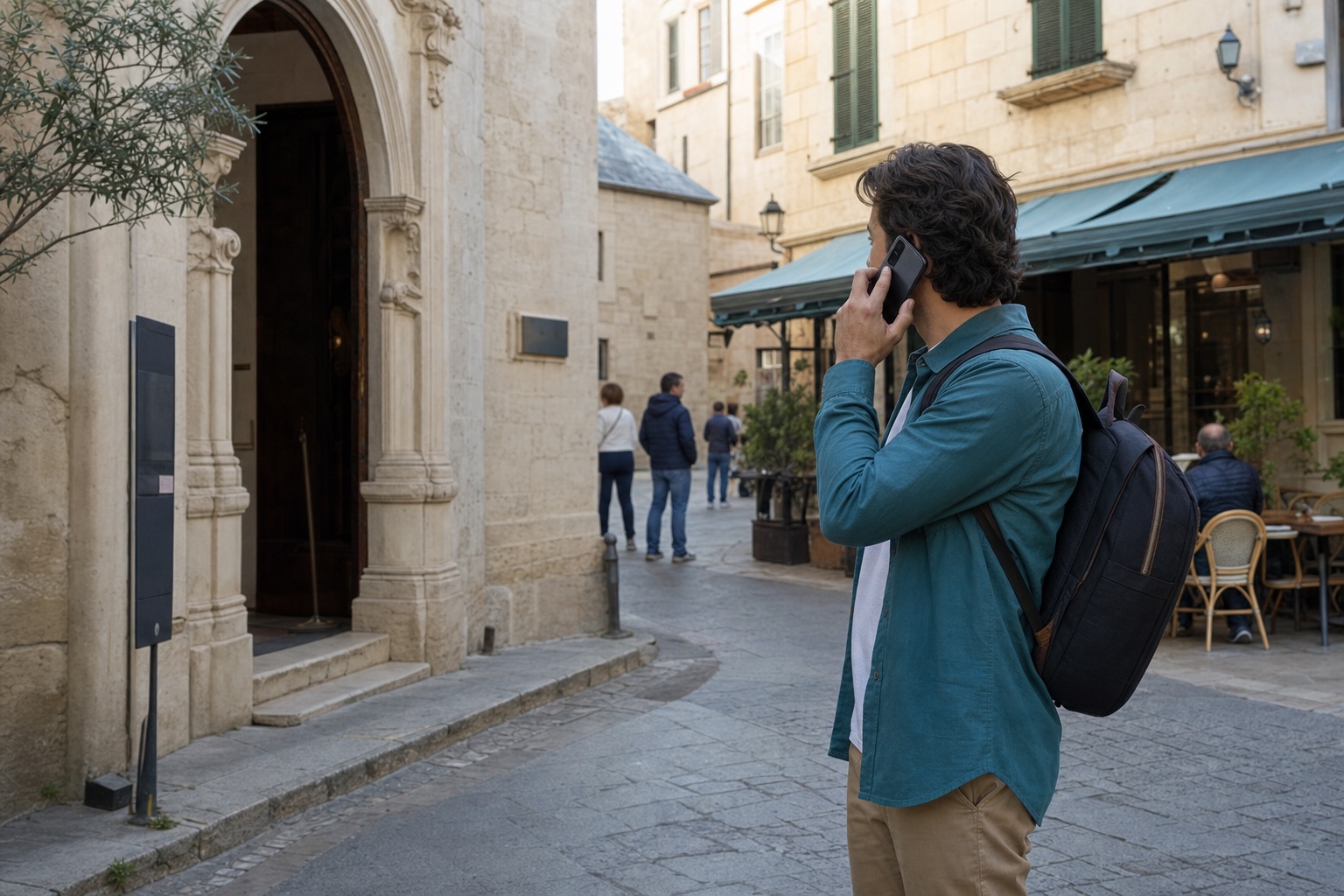
Plan short sponsor messages around museums, city routes, heritage sites, attractions, and outdoor destinations. Visitors choose to call a guide, and the campaign is shaped around that approved place and listening context.
In a nutshell
The useful question is not simply who might hear an ad. It is where the guide is being used, why the visitor called, and whether the sponsor message belongs in that experience.
VoxiGuide is a contextual audio advertising option for brands reaching people in cultural and tourism settings. Sponsor messages play inside phone-based visitor guides, while venues set category and approval rules. Campaign inventory, placement, pricing, data use, and reporting are agreed for each proposal rather than assumed from a generic audience profile.
The contextual principle
The IAB Europe guide defines contextual targeting as choosing an ad from the content and environment where it will appear, rather than from data about the person receiving it. It also notes that context can include audio and location, not only words on a page.
Source: IAB Europe, Guide to Contextual Advertising, definitions section.
For a broader introduction to the category, read what contextual audio advertising means in practice.
How VoxiGuide applies it
The campaign brief starts with an available guide setting: a museum visit, city walk, attraction, heritage route, or outdoor trail. The sponsor message then needs a clear reason to fit that place and moment.
This does not automatically mean behavioural tracking, demographic profiling, GPS targeting, retargeting, or programmatic buying. Confirm any targeting, data handling, privacy, and reporting details before the campaign is sold.
See how the visitor guide worksCampaign fit
A campaign earns its place when the sponsor, message, and setting make sense together. These are planning examples, not guaranteed inventory or targeting features.
A café, hotel, mobility service, shop, or second attraction can be relevant when it helps a visitor continue the day nearby.
See attraction contextsA city or regional campaign can connect guide listeners with neighborhoods, transport, events, and other places on the route.
See tourism contextsA sponsor can support access to interpretation when the association, wording, and category fit the institution and its audience.
See heritage contextsOutdoor, mobility, hospitality, and regional brands may fit a trail or scenic route when the message helps rather than distracts.
See outdoor contextsFor route-led inventory, the self-guided audio tour workflow shows how stops, signs, and visitor decisions shape the listening experience.
Campaign flow
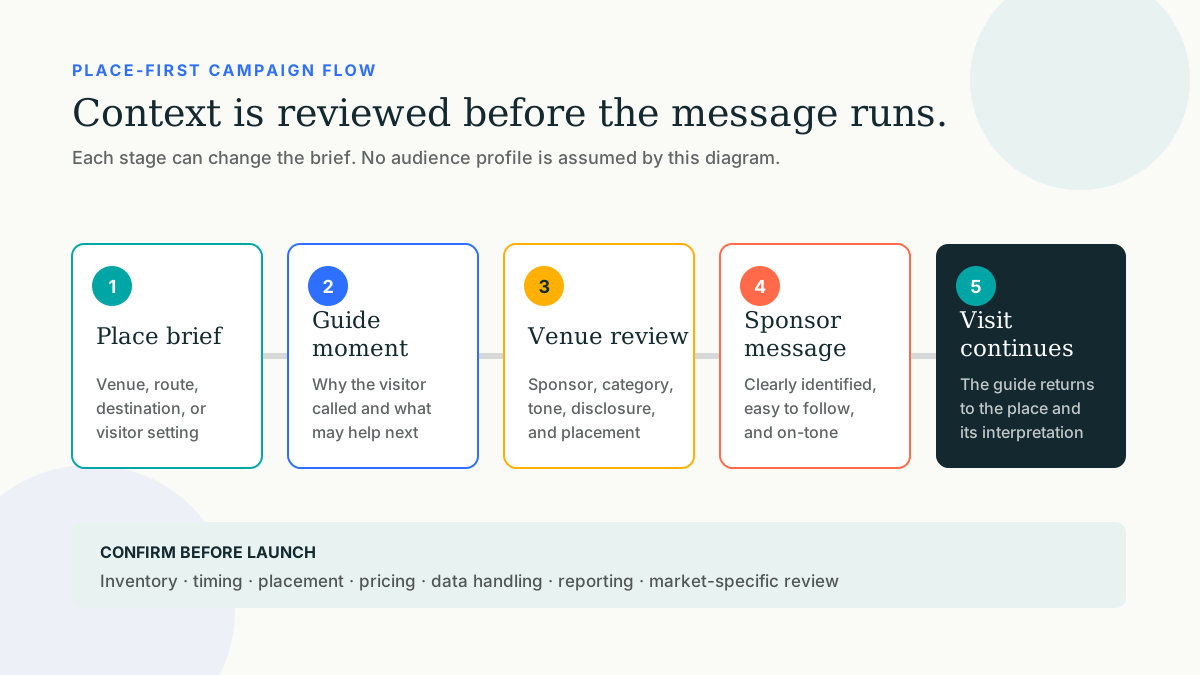
The placement is ready only when the campaign brief and the visitor experience agree. The diagram shows the decisions, not a promise of automatic targeting.
Place-first planning
This sequence keeps commercial goals visible without asking the guide content to behave like an ad channel first.
Name the venue, route, destination, or visitor setting where the campaign should make sense.
Decide what the listener may need next, without pretending to know more about the person than the agreed context supports.
Keep the sponsor message direct, useful, easy to follow, and clearly separate from the interpretation.
Confirm sponsor suitability, category rules, disclosure, pronunciation, tone, and final audio with the venue.
Agree inventory, timing, placement, pricing, data handling, and the reporting available for this configuration.
Bring a real brief
Share the geography, venue types, campaign timing, sponsor category, creative status, and the decision your reporting needs to support.

Venue and sponsor review
“Cultural context” is not a blanket guarantee. A family attraction, memorial site, city route, museum exhibition, and outdoor trail can need different sponsor rules even in the same region.
Clear sponsor disclosure
Disclosure is part of the audio experience, not a note to add after production. Put it where the listener can understand the commercial nature of the message before or as it begins.
The UK Advertising Standards Authority's guidance for podcasts and audio streaming says ads should be obviously identifiable, not confused with editorial content, and disclosed at the start rather than after the listener has heard the message. See its audio-ad recognition guidance.
Make the words easy to follow
The U.S. Federal Trade Commission advises that audio disclosures should use words people understand and a cadence they can follow. It also says disclosure should be close to the advertising message it explains.
Source: Federal Trade Commission, Native Advertising: A Guide for Businesses. The guidance is a useful transparency benchmark; confirm the rules that apply to each campaign market.
Proposal checklist
A useful proposal says where the campaign can run, what still needs venue approval, and which results can actually be reported. It should not turn unknown inventory or data into a sales promise.
If privacy or call-data handling affects the brief, review the current VoxiGuide privacy policy and confirm any campaign-specific processing before launch.
| Place | Target geography, venue types, routes, or destination settings |
|---|---|
| Visitor context | The practical situation in which the message should be useful |
| Campaign goal | Awareness, sponsorship, nearby discovery, or another agreed objective |
| Sponsor category | The brand, offer, exclusions, and any sensitive-category review |
| Creative | Existing audio, a script to adapt, or production support needed |
| Timing | Launch window, season, event, and approval deadline |
| Measurement | The decisions the campaign must inform and which reporting is available |
FAQ
Contextual audio advertising places a commercial audio message in an environment selected for its relevance. With VoxiGuide, that environment is an approved phone-based visitor guide for a museum, route, attraction, heritage site, outdoor trail, or destination.
Radio usually buys reach around a station, programme, or audience. VoxiGuide plans a sponsor message around an available visitor-guide setting and the place being explored. The exact inventory and placement are confirmed in the proposal.
Do not assume individual, behavioural, demographic, GPS, or retargeting capabilities. VoxiGuide can scope a campaign around agreed place, route, region, or sponsor-category context where inventory supports it. Any data use or targeting beyond that must be confirmed before contracting.
Venues define suitable sponsor categories and approval rules for their setting. Final review should cover the sponsor, message, tone, disclosure, placement, and any exclusions before launch.
The commercial message should be clearly identified and separated from guide interpretation. The exact disclosure wording and placement should be reviewed for the markets and media rules that apply to the campaign.
Reporting depends on the inventory and technical configuration. VoxiGuide confirms the measures available, data handling, and any limitations before contracting rather than promising a standard dashboard or attribution model.
Campaign pricing depends on available inventory, geography, timing, placement, creative needs, and sponsorship scope. Share a campaign brief to receive a proposal; no public rate card is currently approved.
Bring the place, campaign goal, sponsor category, timing, creative, and measurement questions. VoxiGuide will confirm what the available inventory can support.